LIVIN'DOURO Journal
The Douro Valley is home to hundreds of wine estates, yet the best wineries to visit — those that produce the region's most extraordinary wines and have shaped the Douro's reputation over centuries — are remarkably difficult to access. Many operate by appointment only. Others accept no public visitors at all, revealing their wines only through personal introductions and longstanding relationships.
Understanding which wineries to visit in the Douro Valley — and more importantly, how to access them — is the difference between a pleasant day out and a genuinely transformative wine experience. This guide offers insight into the types of estates that define the region, the wines you should seek out, and why private access matters.
Historic Port Wine Estates
The Douro Valley's identity was built on Port wine. The great Port houses — many established in the 17th and 18th centuries — own some of the valley's most prestigious vineyard sites. Their cellars contain collections of extraordinary depth, with aged Tawny Ports, Colheitas and Sage Ports spanning decades of vintages.
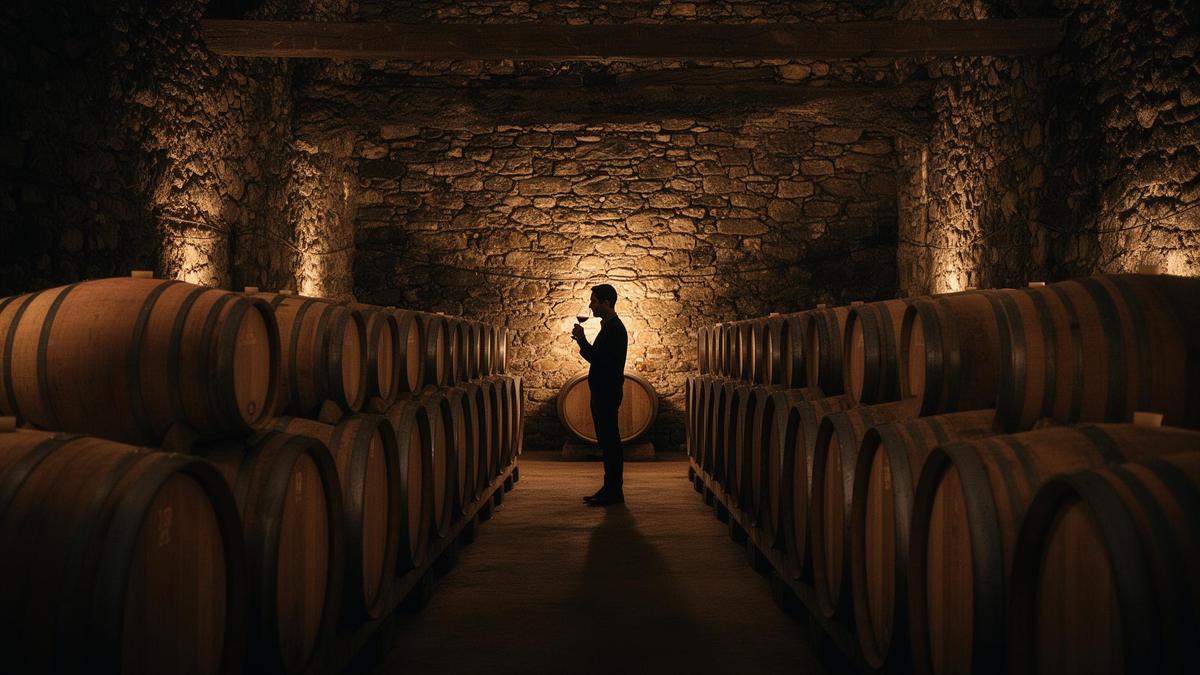
Visiting these estates privately — rather than through their public-facing visitor programmes — reveals an entirely different dimension. Private cellar tours access wines that are not available commercially. Conversations with the winemakers provide context and stories that enrich every subsequent glass. And the settings themselves — centuries-old stone quintas surrounded by vineyards — create memories that endure long after the visit.
The New Wave of Douro Winemakers
While the historic estates represent the Douro's heritage, a new generation of winemakers is redefining what the region can achieve. These producers — often working with old vines, minimal intervention techniques and a deep respect for terroir — are creating wines that have captured the attention of the world's most discerning critics and collectors.
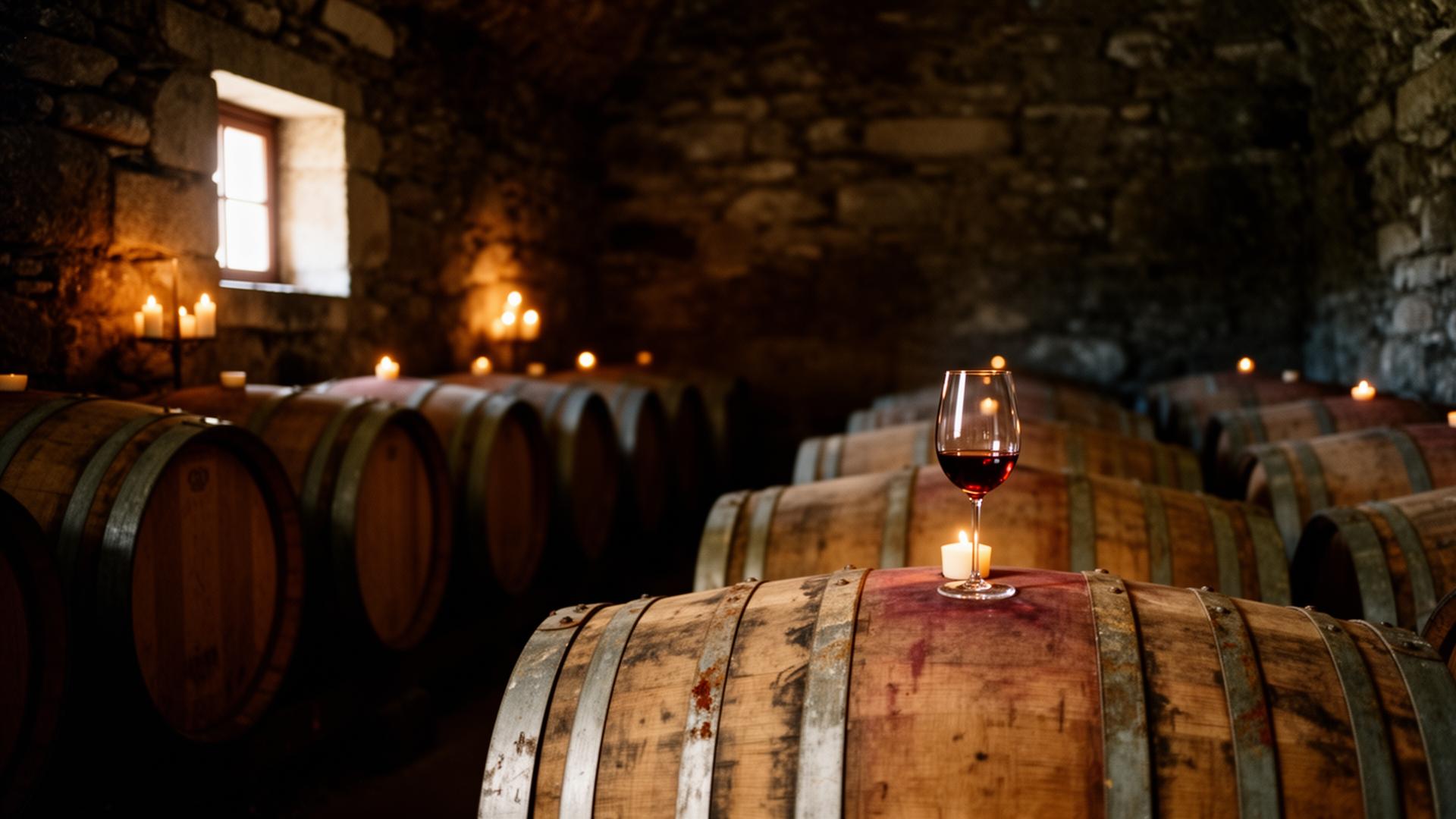
Many of these producers work on a very small scale, making their wines almost impossible to find outside Portugal. Visiting them in person — tasting wines directly from the barrel, walking through their vineyards and understanding their philosophy — is often the only way to truly appreciate what they are creating.
Family-Owned Quintas
Perhaps the most rewarding category of Douro wineries to visit is the family-owned quinta. These properties — often passed down through generations — embody the deepest traditions of Douro winemaking. The hospitality is personal. The wines are authentic. And the experience of being welcomed into a family estate, sharing a meal at their table and hearing the stories that connect the wine to the land, represents the essence of what makes the Douro Valley extraordinary.
Access to these properties is the most challenging of all — they simply do not receive casual visitors. LIVIN'DOURO's longstanding presence in the region provides the introductions and relationships that make these encounters possible.
The Three Sub-Regions
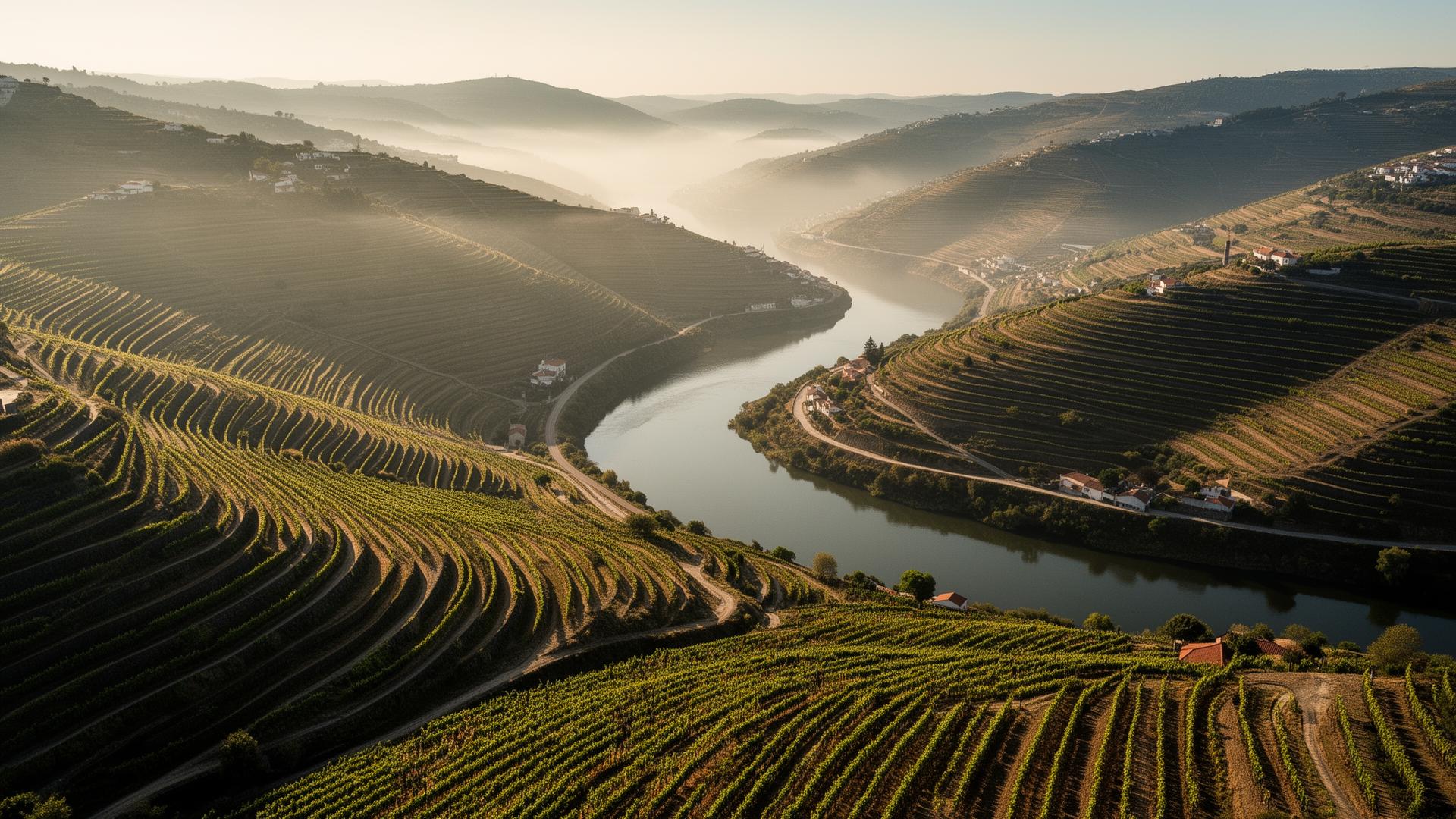
The Douro Valley is divided into three distinct sub-regions, each with its own character and wine style. The Baixo Corgo, closest to Porto, receives the most rainfall and produces lighter, more aromatic wines. The Cima Corgo — the heart of the valley — is home to many of the region's most celebrated estates, producing wines of remarkable concentration and complexity. The Douro Superior, the most remote and arid, yields wines of exceptional intensity from vineyards that receive minimal intervention.
A well-planned visit to the Douro Valley should ideally include estates from at least two of these sub-regions, allowing guests to understand how geography, climate and tradition shape the wines across this remarkable landscape.
Why Private Access Matters
The Douro Valley is not Napa Valley or Bordeaux. Its greatest estates do not operate commercial tasting rooms with walk-in service. The most meaningful wine experiences in the region happen behind closed doors — in private cellars, at estate tables, in vineyards that are not signposted for tourists. Understanding this is essential to planning a visit that does justice to the region's extraordinary potential.
Private access transforms a wine visit from a pleasant afternoon into a genuine cultural experience. It is the difference between tasting a wine and understanding it — between seeing a vineyard and feeling the soil beneath your feet as a winemaker explains why this particular hillside produces wines of unique character. This is what LIVIN'DOURO offers: not simply access, but meaningful access that changes how you understand wine, landscape and tradition.
Explore Further
Private Concierge
Every LIVIN'DOURO experience is privately curated, shaped around your interests, pace and sense of discovery.
Begin Your JourneyAvailable exclusively by private request